
Good grief, this one is rather late, isn’t it? Oops. Sorry about that. As for the Jumbo itself, I can’t say I was a fan. Too many clichés were triggered (though mercifully no Billy Bloody Shakespeares), so there are 14 Jumbos to go before I wind up these posts.
Now that we have (long since) passed the competition deadline here is my completed grid along with explanations of my solutions where I have them. I hope you find them helpful. If a recent Jumbo has flipped you the bird then you might find my Just For Fun page of use, where you’ll find links to solutions to hundreds of the things.
Thanks again for your patience and input. Till next time, stay safe out there kids.
LP

The case for the prosecution




Across clues
- Explorer heads across the Atlantic heading for China: boat lost! (4,5)
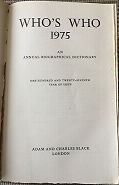
Answer: JOHN CABOT (i.e. Italian “explorer” gadding about toward the end of the fifteenth century. We saw him used in a Jumbo clue about a year ago (see grid 1624) but his appearance wasn’t especially noteworthy). Solution is JOHN (i.e. “heads across the Atlantic” – slang for a toilet in the US; “head” meanwhile is nautical slang for a toilet, often in plural apparently) followed by C (i.e. “heading for China”, i.e. the first letter of “China”) and an anagram (indicated by “lost”) of BOAT, like so: JOHN-C-ABOT. Wow, a Times cliché straight out the box. I think that’s a new record. Well done, setter! Now, which cliché demerit to apply? History or Who’s Who? History or Who’s Who? Why not both, eh?
- Storage space costing this oddly: a hundred (5)
Answer: ATTIC (i.e. “storage space”). Solution is AT (i.e. “costing”) followed by TI (i.e. “this oddly”, i.e. every other letter of THIS) and C (i.e. “a hundred” expressed as a Roman numeral).
- Loss is assigned to the past, time and time again (7)
Answer: WASTAGE (i.e. “loss”). Solution is WAS (i.e. “assigned to the past”) followed by T (a recognised abbreviation of “time”) and AGE (i.e. “time” – “again” indicating we’re after a different word this time).
- Stunner published, revered work (5)
Answer: KORAN (i.e. “revered work”). Solution is KO (i.e. “stunner”, short for a knock-out) followed by RAN (i.e. “published”).
- Game, chirpy little thing (7)
Answer: CRICKET. Solution satisfies “game” and “chirpy little thing”.
- Unlikely to chill, no brief garment (9)
Answer: LOINCLOTH (i.e. “brief garment”). Solution is an anagram (indicated by “unlikely” – a bit ropey IMLTHO) of TO CHILL NO.
- Value of eg real estate, real precise after negotiation (6,5)
Answer: RESALE PRICE (i.e. “value of eg real estate”). Solution is an anagram (indicated by “after negotiation”) of REAL PRECISE.
- Inappropriate as an idle pageboy? (8-3)
Answer: UNCALLED-FOR. Solution satisfies “inappropriate” and, playfully, “as an idle pageboy”.
- Music genre, grime about right (6)
Answer: GRUNGE (i.e. “music genre”). Solution is GUNGE (i.e. “grime”) wrapped “about” R (a recognised abbreviation of “right”), like so: G(R)UNGE.
- Drawing clear, one clarified originally after publication (8)
Answer: MAGNETIC (i.e. “drawing” or attractive). Solution is NET (i.e. “clear” of tax), I (i.e. “[Roman numeral] one”) and C (i.e. “clarified originally”, i.e. the first letter of “clarified”) all placed “after” MAG (i.e. “publication”, short for magazine”), like so: MAG-(NET-I-C).
- Warhol’s colour frames in photos so indistinct? (6)
Answer: GRAINY (i.e. of “photos so indistinct”). Solution is GRAY (i.e. “Warhol’s [hair] colour”) wrapped around or “framing” IN, like so: GRA(IN)Y.
- Punch consumed, a drink (5,3)
Answer: CHINA TEA (i.e. “drink”). Solution is CHIN (i.e. to “punch”) followed by ATE (i.e. “consumed”) and A.
- Plant can drink gallon that’s drained into land (8,6)
Answer: STINGING NETTLE (i.e. “plant”). Solution is TIN (i.e. “can”), GIN (i.e. “drink”), GN (i.e. “gallon that’s drained”, i.e. the word “gallon” with all its middle letters removed) all placed “into” SETTLE (i.e. to “land”), like so: S(TIN-GIN-GN)ETTLE.
- Nectar collector briefly on blossom, perhaps (5)
Answer: MAYBE (i.e. “perhaps”). Solution is BEE (i.e. “nectar collector”) with its last letter removed (indicated by “briefly”) and the remainder placed “on” or after MAY (i.e. recognised shortening of may “blossom”), like so: MAY-BE.
- Boy in blue and reddish-brown (6)
Answer: COPPER. Solution satisfies “boy in blue” – both slang for policemen – and “reddish-brown”.
- Rabbit and larger animal found on small islands back-to-back, eating tons (7-3)
Answer: YACKETY-YAK (i.e. to “rabbit” or talk a lot). Solution is YAK (i.e. “larger animal”, relative to a rabbit) placed “on” or after CAY and KEY (i.e. “small islands”, both variant spellings for a small island formed on the surface of a coral reef) once these have been placed “back-to-back” and wrapped around or “eating” T (a recognised abbreviation of “tons”), like so: (YAC-KE(T)Y)-YAK.
- A grotesque slur, due to cheating (10)
Answer: ADULTEROUS (i.e. “cheating”). Solution is A followed by an anagram (indicated by “grotesque”) of SLUR DUE TO, like so: A-DULTEROUS.
- Duty company recalled with dispersal of riot (6)
Answer: OCTROI (i.e. “duty” – over to Chambers: “formerly, and still in some European countries, a commercial privilege, eg of exclusive trade”). Solution is CO (a recognised abbreviation of “company”) reversed (indicated by “recalled”) and followed by an anagram (indicated by “dispersal of”) of RIOT, like so: OC-TROI. Easy if you know it. Made-to-fit trash if you don’t. Guess which pot I fall in? No penalty, though, because at least this is a word and not some obscure port or plant or some such.
- Contraption is breaking my back (5)
Answer: GISMO (i.e. “contraption”). Solution is IS placed in or “breaking” OMG (i.e. “my”, both exclamations, the latter short for Oh My God) once this latter has been reversed (indicated by “back”), like so: G(IS)MO.
- A rigged trial? (5,9)
Answer: DRESS REHEARSAL. The solution satisfies the clue as a whole, taking “rig” to mean “an outfit; garb” (Chambers).
- Big deal in scrap, a dandy cut into it (4,2,2)
Answer: WHAT OF IT (i.e. “big deal”, both dismissive phrases). Solution is WHIT (i.e. “scrap” or tiny amount) wrapped around or having “into it” A and TOFF (i.e. “dandy”) once its last letter has been removed (indicated by “cut”), like so: WH(A-TOF)IT.
- Score’s ultimately showing it? (6)
Answer: RESULT (i.e. “score”). “Showing it” indicates the solution has been hidden in the clue, like so: SCO(RE’S-ULT)IMATELY.
- Tablets not really working, boy almost entirely covered in spots (8)
Answer: PLACEBOS (i.e. “tablets not really working”). Solution is BOY with its last letter removed (indicated by “almost entirely”) and the remainder placed or “covered in” PLACES (i.e. “spots”, e.g. beauty spots), likes so: PLACE(BO)S.
- Stadium reduced to dust? (6)
Answer: GROUND. Solution satisfies “stadium” and “reduced to dust”.
- Previously abuse someone applauding Conservative rule (11)
Answer: CLAPPERCLAW (i.e. “previously abuse”, “previously” indicating the solution is an archaic word – over to Chambers again: “(archaic) to claw or scratch; to scold or abuse”). Solution is CLAPPER (i.e. “someone applauding”) followed by C (a recognised abbreviation of “Conservative”) and LAW (i.e. “rule”).
- Settler in Croatia upset about Jack residing in Dudley (11)
Answer: ADJUDICATOR (i.e. “settler”, in this case one who settles an argument). Solution is an anagram (indicated by “upset”) of CROATIA wrapped “about” J (a recognised abbreviation of “jack” used in some card games) once this has first been placed “in” DUD (shortened form of “Dudley”), like so: A(D(J)UD)ICATOR.
- Skim over a strategy in a crusade that saint’s forsaken (9)
Answer: AQUAPLANE (i.e. “skim over”). Solution is A and PLAN (i.e. “strategy”) both placed “in” A and QUEST (i.e. “crusade”) once the ST has been removed (indicated by “that saint’s forsaken” – ST being a recognised abbreviation of “saint”), like so: A-QU(A-PLAN)E.
- European port tastes terrible, no stomach for it… (7)
Answer: TRIESTE (i.e. “European port”). Solution is TRIES (i.e. “tastes”) followed by TE (i.e. “terrible, no stomach for it”, i.e. the word “terrible” with all its middle letters removed). Time was you couldn’t move from week to week in Jumbos without some port or other plugging an awkward gap. Thankfully Jumbos aren’t quite so bad these days, but ports are still a cliché for Times setters, so have a demerit.
- …it’s here, it has a lady discontented (5)
Answer: ITALY (i.e. “it’s here”, the ellipses at the beginning of the clue and at the end of the previous clue meaning we are referring to the previous solution, TRIESTE, which is a port in Italy). Solution is IT followed by A and LY (i.e. “lady discontented”, i.e. the word “lady” with all its middle letters removed).
- Zero transported by flier from Los Angeles further down the line (5,2)
Answer: LATER ON (i.e. “further down the line”). Solution is O (i.e. “zero”) placed in or “transported by” LA TERN (i.e. “flier from Los Angeles”, tern being a bird), like so: LA-TER(O)N.
- Small show, little one (5)
Answer: SPROG (i.e. slang for a child or “little one”). Solution is S (a recognised abbreviation of “small”) followed by PROG (i.e. “show”, informal shortening of programme).
- Tree, even hedges run through border (9)
Answer: EVERGREEN (i.e. “tree”). Solution is E’EN (a poetic contraction of “even”) wrapped around or “hedging” R (a recognised abbreviation of “run” used in a number of ball games) once first placed in or “through” VERGE (i.e. “border”), like so: E’(VERG(R)E)EN.
Down clues
- Card in card game, jack for opener in pontoon (5)
Answer: JOKER (i.e. playing “card”). Solution is POKER (i.e. “card game”) with the P (i.e. “opener in pontoon”, i.e. the first letter of “pontoon”) swapped “for” J (a recognised abbreviation of “jack” in some card games), like so: (P)OKER => (J)OKER.
- I’m hurling insults at one looking in good health! (5,3,2,4,3)
Answer: HERE’S MUD IN YOUR EYE (i.e. “good health” – both toasts). The remainder of the clue plays on MUD being another word for “insult” and an EYE being “one looking”. You get the idea.
- Study standard cost for light (11)
Answer: CONFLAGRATE (i.e. “light” or set fire to). Solution is CON (an archaic word for to “study” only ever used in cryptic crosswords these days) followed by FLAG (i.e. “standard”) and RATE (i.e. “cost”).
- British venture I set up for powerful contractor? (6)
Answer: BICEPS (i.e. a muscle or “powerful contractor”). Solution is B (a recognised abbreviation of “British”) followed by SPEC (i.e. bet or “venture”, short for speculation) and I once these last two have been reversed (indicated by “set up” – this being a down clue), like so: B-(I-CEPS).
- Island where three houses sound upside down (8)
Answer: TRINIDAD (i.e. “island”). Solution is TRIAD (i.e. “three”) wrapped around or “housing” DIN (i.e. “sound”) once reversed (indicated by “upside down” – this being a down clue), like so: TRI(NID)AD.
- God knows namesake Thor is furious! (3,2,7)
Answer: ASK ME ANOTHER (i.e. “God knows”). Solution is an anagram (indicated by “is furious”) of NAMESAKE THOR.
- No good supporting old king, everyone together expressing disapproval (3-7)
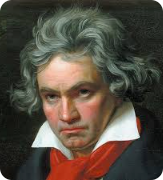
Answer: TUT-TUTTING (i.e. “expressing disapproval”). Solution is N (a recognised abbreviation of “no”) and G (ditto “good”) all placed at the end of or “supporting” – this being a down clue – TUT (i.e. “old king”, short for Tutankhamun) and TUTTI (i.e. “everyone together” in musical lingo), like so: (TUT-TUTTI)-N-G. Musical lingo is another Times cliché, and TUTTI appears a lot, so have an angry Beethoven…
- Something painful written up in pencil, occasionally (5)
Answer: COLIC (i.e. “something painful”). “Written in” indicates the solution has been hidden in the clue, while “up” indicates the solution has been reversed – this being a down clue – like so: PEN(CIL OC)CASIONALLY.
- Top insect (9)
Answer: WHIRLIGIG. Solution satisfies a toy or spinning “top”, and “insect”, specifically a water beetle.
- Green cat set out to get mole (6,5)
Answer: SECRET AGENT (i.e. “mole”). Solution is an anagram (indicated by “out”) of GREEN CAT SET.
- Ladies or gents aboard raft when naked, cold (5)
Answer: ALOOF (i.e. “cold”). Solution is LOO (i.e. informal name for a toilet or “ladies or gents”) once placed in or “aboard” RAFT once its first and last letters have been removed (indicated by “naked”), like so: A(LOO)F.
- Urge in old flame burning, lover finally bedded (6)
Answer: EXHORT (i.e. “urge”). Solution is EX (i.e. “old flame”) followed by HOT (i.e. “burning”) once wrapped around or “bedding” R (i.e. “lover finally”, i.e. the last letter of “lover”), like so: EX-HO(R)T.
- Forget bottom gear trooper, you can do it! (2,8)
Answer: GO COMMANDO. Solution satisfies going out without underwear, or “forget bottom gear”, and, playfully, “trooper, you can do it!”.
- I’m into drink, time an illusion (8)
Answer: CHIMAERA (i.e. “an illusion” or any wild or idle fancy). Solution is I’M placed “into” CHA (i.e. “tea”) and followed by ERA (i.e. “time”), like so: CH(I’M)A-ERA.
- Like something off the sweet trolley – or off one’s own? (5,2,1,9)
Answer: NUTTY AS A FRUITCAKE (i.e. “off one’s [trolley]”). Solution also playfully satisfies “like something off the sweet trolley”.
- Antifreeze essential initially in chopper (6)
Answer: DEICER (i.e. “antifreeze”). Solution is E (i.e. “essential initially”, i.e. the first letter of “essential”) placed “in” DICER (i.e. “chopper”), like so: D(E)ICER.
- Take a hike, as might granny? (3,7)
Answer: GET KNOTTED (i.e. “take a hike” – both dismissive phrases). The remainder of the clue plays on “granny” knots.
- Pretty tree ahead (6,2)
Answer: SPRUCE UP (i.e. to “pretty”). Solution is SPRUCE (i.e. “tree”) followed by UP (i.e. “ahead”).
- Piece to hear when nocturne played? (6)
Answer: KNIGHT (i.e. chess “piece”). Solution is a homophone (indicated by “to hear”) of NIGHT (i.e. “when nocturne played”).
- Force not creating a measure of ability to withstand compression (6,6)
Answer: OCTANE RATING (i.e. “measure of ability to withstand compression” – I’ll have to take your word for it, setter; meanwhile Chambers offers: “the percentage by volume of so-called iso-octane in a mixture with normal heptane which has the same knocking characteristics as the motor fuel under test”). Solution is an anagram (indicated by “force”) of NOT CREATING A. I have to admit I laughed my arse off when this one dropped. As readers know, I’m not slow in pulling setters up on the obscure shit they stuff into their grids, but this was another level! Are you seriously suggesting this is knowledge held by a sufficient proportion of solvers to warrant its inclusion here? Like bollocks it is. This smacks of the GridFill™ 4000 dropping something into the grid and the setter saying “oh hell, how am I going to clue that?!” Comical. Have a demerit.
- Difficulty with pressure cutting narrow, thin material (6,5)
Answer: TISSUE PAPER (i.e. “thin material”). Solution is ISSUE (i.e. “difficulty”) and P (a recognised abbreviation of “pressure”) both placed in or “cutting” TAPER (i.e. to “narrow”), like so: T(ISSUE-P)APER.
- Go and prepare a frittata? (3,8)
Answer: GET CRACKING. Solution satisfies “go” and “prepare a frittata”, or at least it would if you knew a frittata was an Italian dish similar to an omelette. I guess “omelette” was too common for the average Times reader, eh…
- A tad wet swimming round river… um – just stay afloat (5,5)
Answer: TREAD WATER (i.e. “just stay afloat”). Solution is an anagram (indicated by “swimming”) of A TAD WET wrapped “round” R (a recognised abbreviation of “river”) and followed by ER (i.e. “um”, both expressions of hesitation), like so: T(R)EADWAT-ER.
- Register cheers in delight (9)
Answer: ENTERTAIN (i.e. “delight”). Solution is ENTER (i.e. “register”) followed by TA (i.e. thanks or “cheers”) and IN.
- Little piece has nailed simply perfect thing to say (3,5)
Answer: MOT JUSTE (i.e. “perfect thing to say”). Solution is MOTE (i.e. “little piece”) followed by JUST (i.e. “simply”), like so: MOT(JUST)E. It’s a French phrase, and Times setters can’t help themselves when it comes to all things French, so you know what that means…
- Sloppily inscribe second stroke (6)
Answer: SCRAWL (i.e. “sloppily inscribe”). Solution is S (a recognised abbreviation of “second”) followed by CRAWL (i.e. swimming “stroke”).
- Fresh head on stick (6)
Answer: ADHERE (i.e. to “stick”). Solution is an anagram (indicated by “fresh”) of HEAD followed by RE (i.e. “on” or regarding – think email replies), like so: ADHE-RE.
- Mature gorgonzola tempted you all right, every last bit (5)
Answer: ADULT (i.e. “mature”). “Every last bit” indicates the solution is derived from the last letters of GORGONZOLA TEMPTED YOU ALL RIGHT.
- United team is a goal up, reportedly? (5)
Answer: LEEDS (i.e. “United team”, in football). Solution is a homophone (indicated by “reportedly”) of LEADS (i.e. “is a goal up”).
- Fibre in light illuminated (5)
Answer: RAYON (i.e. “fibre”). Solution is RAY (i.e. “light”) followed by ON (i.e. of a light “illuminated”).
 Lucian Poll's Web Ramblings
Definitely better late than never! Earlier today I realised that I had carefully filed my copy but had thrown away the paper with the answers. I’d be lost without you.
Looking ahead … could you maybe keep the page open for your humble correspondents to swap ideas? Typically we finish the crossword with maybe on e or two answers we didn’t quite understand. Rather than you (Lucian) dutifully explaining the whole thing, maybe we could chip in with the elusive clues and help one another?
Back to 1686, we got Octane Rating (I think that’s the number shown on petrol pumps, next to the ****) but didn’t spot that it was an anagram – doh. Not keen on Clapperclaw but did enjoy Yackety-Yak.
Many thanks as always for explaining some of the answers that I got but couldn’t follow the word play. As for octane rating, we oldies remember the days of only two fuels in the UK when we were told that the higher octane rating was not suitable for ordinary cars, only for high performance ones. This is, I believe, still true, though a higher rating does stop ‘pinking’ or ‘knocking’ when the engine is worked hard. We were also warned that if we ventured across the iron curtain in our own cars, the octane rating was much lower there and we were likely to get knocking. I’ve just read Wikipedia on the subject and am now thoroughly confused especially as they tell us that the US and Canada use a different system with lower nnumbers than our European ones. sorry for the length of this comment but it is an inersting subject (to me at any rate).
Agree with burleypab, it would be great to have a group forum of some sort where we can exchange ideas (presumably 2 weeks after publication) once Lucian has sadly departed stage left.
In this one I couldn’t grasp 1a (‘heads across the Atlantic’).
Thanks for explaining Lucian
Good to have your write up Lucian. A couple were a little obscure (Octroi and Clapperclaw) but this was an enjoyable puzzle for me. I worked out Octane Rating starting with compression ability hinting at the Rating. I also missed the anagram.
I quite like some history but your sideswipes are entertaining. We’ll miss your posts and, yes, an ongoing forum to help explain some parsing problems would be nice if it isn’t a cost or admin burden.
Cheers Graham
Thank you for the explanations. I didn’t understand the ‘Warhol’s colour’ bit of 21a, had never heard of 35a or 32d and didn’t understand the definition of 4d.
I didn’t get 2d, strange expression.
Favourite was 46d, fun surface.